Gas in Caravans: Everything You Need to Know

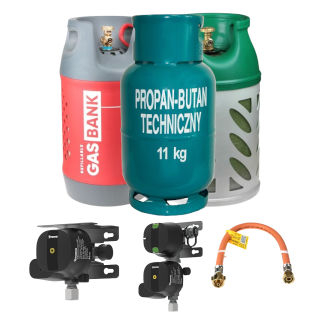
Travelling by caravan is a great adventure that allows you to discover new places with comfort and freedom. One of the key elements of every caravan's equipment is the gas system, which allows you to use various devices during your journey. In this post, we will discuss why a current gas inspection is essential, which devices can run on gas, types of gas cylinders, modern refuelling solutions and safety systems such as Truma DuoControl.

1. Gas Inspection Requirements

Many campsites and ferries require caravan users to have a current gas inspection. This is important for several reasons:

  • Safety: A gas inspection ensures that the gas system in your caravan is in good working order, minimising the risk of leaks or other failures.
  • Regulatory Compliance: Many campgrounds and carriers require proof that the gas system is regularly checked to ensure the safety of all users.
  • Peace of Mind: Knowing your gas system is in good working order allows you to enjoy your trip without worrying about potential gas-related issues.

2. Gas-powered devices

Gas in caravans is used to power a variety of devices that increase comfort and functionality while travelling. Here are some of the most commonly used gas devices:

  • Gas stoves: Ideal for preparing meals, they offer quick and efficient cooking.
  • Gas heaters: Used to heat the interior of the caravan, providing warmth on colder days.
  • Gas refrigerators: Allow you to keep food and drinks cool, regardless of electricity availability.
  • Water heating: Gas water heaters provide hot water for bathing and washing dishes.
  • Gas supplementary heaters: These can be used as an additional heat source, especially during longer stays in cold conditions.

3. Types of Gas Cylinders

Choosing the right type of gas cylinder is crucial to the safety and efficiency of using gas in your caravan. There are two main types of gas cylinders available on the market:

a. Steel Cylinders

Steel cylinders are a traditional solution used in caravans. They are characterized by a solid construction, which ensures durability and safety.

Advantages:

  • Durability: Steel cylinders are resistant to mechanical damage.
  • Availability: Readily available at most stores and service points.
  • Cost: Typically cheaper than composite cylinders.

Defects:

  • Weight: Steel cylinders are heavier, which can affect the overall weight of the caravan.
  • Corrosion: Require regular maintenance to prevent rusting.

b. Composite Cylinders
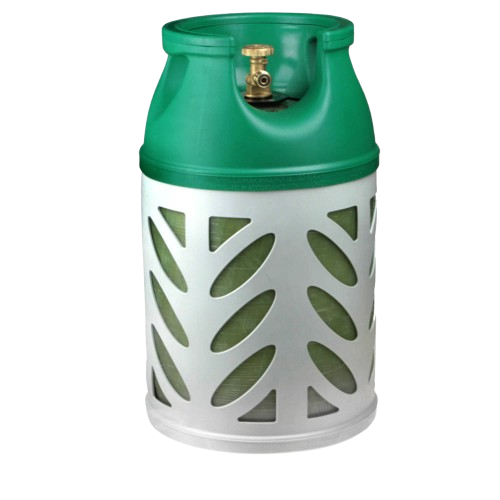
Composite cylinders, made from carbon fibre or other composite materials, offer a modern solution for caravan users.

Advantages:

  • Lightweight: Significantly lighter than steel cylinders, which reduces the overall weight of the caravan.
  • Corrosion resistance: They do not rust, which increases their durability.
  • Compact: They often have a smaller size, making them easier to store.

Defects:

  • Cost: More expensive than steel cylinders.
  • Material delicacy: They may be more susceptible to mechanical damage compared to steel ones.

4. Fueling Solutions: Gasbank
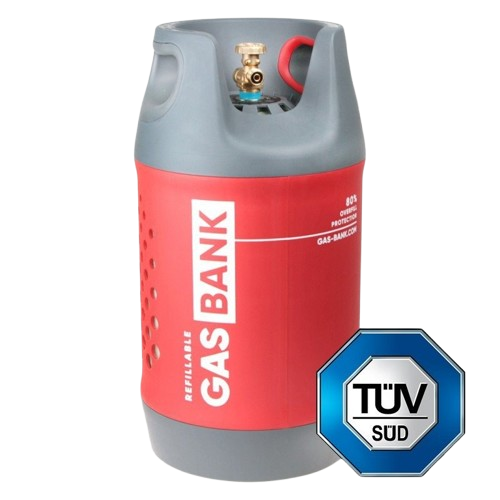
Gasbank is a modern solution that allows you to refuel gas cylinders without having to replace an empty cylinder with a full one. It is a convenient option that allows you to quickly and easily refill gas while traveling.

Advantages of Gasbank:

  • Flexibility: Possibility to refuel gas without having to replace the cylinder.
  • Economy: Ability to refill only the amount of gas you need, which can be more cost-effective.
  • Practicality: Reduces the need to store additional cylinders.

Gasbank is especially useful for people who travel frequently and need a flexible solution for managing gas in their caravan.

5. Safety Systems: Truma Mono/DuoControl
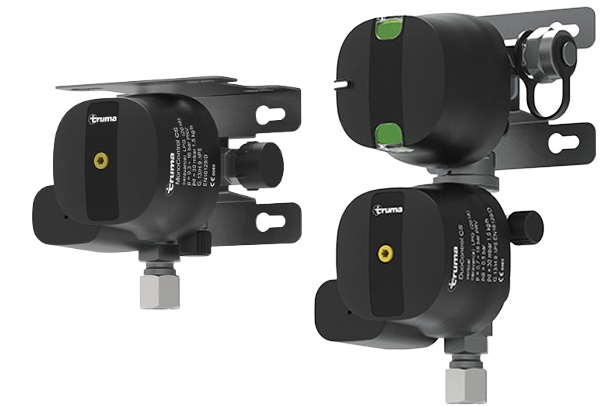
Safety is a key aspect of using gas in caravans. One of the advanced safety systems is Truma Mono/DuoControl , which is equipped with a crash/shock sensor. With this system, you can use gas while on the road.

Truma Mono/DuoControl functions:

  • Impact/shock sensor: Monitors the driving and stationary environment to detect potential hazards due to movement or impacts.
  • Automatic Gas Shutoff: If a shock or collision is detected, the system automatically shuts off the gas supply, minimising the risk of leaks and fires.
  • Ease of use: Intuitive interface allows easy monitoring and management of your gas system.

Truma Mono/DuoControl increases the safety of gas use in caravans, ensuring peace of mind while travelling.

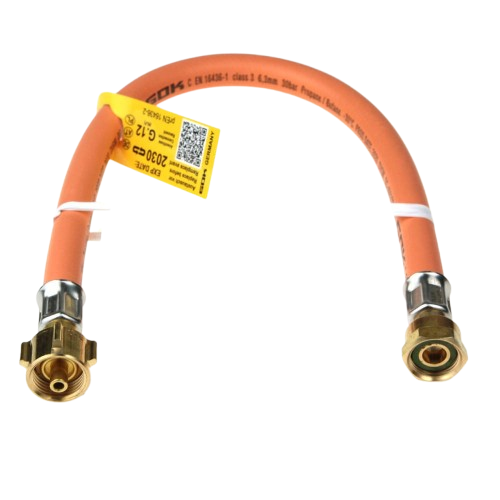
8. 10 years from the date of production

It is worth remembering that all gas components in a caravan, such as hoses, reducers and other elements of the installation, have a specific expiry date, which is 10 years from the date of production. After this time, even if the equipment seems to be in good condition, it is recommended to replace it to ensure full safety of use. Regular inspection and replacement of worn components is a key element of caring for the gas installation, minimizing the risk of failure or dangerous leaks. Information about the expiry date should be placed on the product in the form of a label, engraving or sticker
Summary

Gas is an essential part of caravan equipment, allowing the use of many devices that increase comfort and functionality during travel. It is important to remember to have regular gas inspections, choose the right types of gas cylinders and use modern refuelling solutions and safety systems such as Gasbank and Truma DuoControl.

Taking care of the gas system in your caravan is an investment in safety and comfort that will allow you to enjoy your trips without unnecessary worries. Remember to always follow safety rules and regularly check the condition of the gas installation to make every trip an unforgettable and safe adventure.

Tell your friends

Privacy policy | Cookie policy

In accordance with Article 13(1)–(2) of Regulation (EU) 2016/679 of the European Parliament and of the Council of 27 April 2016 on the protection of natural persons with regard to the processing of personal data and on the free movement of such data, and repealing Directive 95/46/EC (General Data Protection Regulation – GDPR), we inform you that this document outlines the rules for processing your personal data and the use of cookies in connection with your use of our website and communication via email or telephone.

Basic Information

  • Website address: ………………………………….. (hereinafter referred to as the “website”)
  • Data Controller: ………………………………….. (hereinafter referred to as the “Controller”)
  • Contact address: …………………………………..

Short version – key information:

  • When you contact us, you provide your personal data. We guarantee that your data will remain confidential, secure, and will not be shared with any third parties without your explicit consent.
  • We entrust the processing of personal data only to trusted and verified entities providing data processing services.
  • We use analytical tools such as Google Analytics to collect information about your visits to the site – including subpages visited, time spent on the site, and navigation paths. For this purpose, Google LLC cookies are used.
  • We use our own cookies to ensure the website functions properly.

If the above is not sufficient, detailed information is provided below:

§1 Personal Data

  1. A user visiting the website or contacting the Controller via email or telephone (hereinafter referred to as the “User”) may provide personal data to the Controller through available forms of communication.
  2. The Controller of the User’s personal data is the Controller identified above.
  3. The data provided is processed for the purposes specified in §2.
  4. The Controller guarantees the confidentiality of all personal data provided.
  5. Providing data is always voluntary but necessary to initiate contact.
  6. Personal data is collected with due diligence and appropriately protected against access by unauthorised persons.
  7. Personal data will be processed until communication is concluded or, in case of cooperation, until the end of the limitation period for claims arising from the agreement. Data contained in invoices will be processed as long as required by accounting laws. Some data may also be processed for archival, analytical, and statistical purposes as described in §2.
  8. The User has the right to:
    • access, rectify, delete, or restrict the processing of their data,
    • object to data processing,
    • data portability,
    • withdraw consent at any time (if processing was based on consent),
    • lodge a complaint with a supervisory authority.

§2 Purposes and Legal Bases for Processing

Data is processed for the following purposes:

  • To respond to enquiries – the legal basis is the User’s consent implied by initiating contact (Article 6(1)(a) GDPR);
  • Archiving incoming and outgoing correspondence to demonstrate its course – our legitimate interest (Article 6(1)(f) GDPR);
  • If cooperation follows, processing is based on the performance of a contract (Article 6(1)(b) GDPR);
  • Issuing invoices, maintaining and storing accounting documents (Article 6(1)(c) GDPR);
  • Archival (evidential) purposes in case of legal need to prove facts and to establish, exercise, or defend legal claims – our legitimate interest (Article 6(1)(f) GDPR);
  • Analytical purposes – such as tailoring services, optimising our offerings, or improving sales and after-sales service – our legitimate interest (Article 6(1)(f) GDPR);
  • Customer satisfaction surveys and service quality assessment – our legitimate interest (Article 6(1)(f) GDPR).

§3 Data Recipients / Sub-processors

  1. Personal data may be shared with subcontractors – entities we use for personal data processing.
  2. Personal data may be transferred to third countries (outside the EU). Appropriate safeguards are ensured via approved certification mechanisms and enforceable obligations to maintain suitable protections (e.g. Privacy Shield).
  3. Below is a list of potential recipients of the User’s data:
    • Individuals cooperating under civil-law contracts who support the Controller’s ongoing operations,
    • Accounting software provider,
    • Project management software provider,
    • Office suite provider,
    • Company maintaining the website on the server (hosting provider),
    • Company managing the Controller’s email services (email server provider),
    • Relevant public authorities, insofar as the Controller is legally obliged to disclose the data.

§4 Cookies

  1. Cookies are IT data, primarily text files, stored on the User’s end device to enable use of the website. Cookies usually contain the website’s name, the duration of storage, and a unique identifier.
  2. We use cookies to:
    • Customise website content to the User’s preferences and optimise site usage. Cookies help recognise the User’s device and tailor the display accordingly;
    • Create statistics to understand how Users interact with the website, enabling improvements;
    • Maintain User sessions (after login), so the User does not need to re-enter login data on each subpage.
  3. Our website uses two main types of cookies: “session” cookies and “persistent” cookies. Session cookies are temporary files stored on the User’s end device until they log out, leave the website, or close the browser. Persistent cookies are stored on the User’s device for the time specified in the cookie parameters or until deleted by the User.
  4. The website uses, or may use, the following types of cookies:
    • “Essential” cookies – enable the use of services available on the website, such as authentication cookies required for login-restricted services;
    • Security cookies – used to ensure security, for example to detect misuse in the area of authentication;
    • Performance cookies – allow the collection of information about how Users interact with the website;
    • Functional cookies – allow the website to “remember” selected settings and personalise the User interface, e.g. chosen language, region, font size, or website layout;
    • Analytical cookies – e.g. Google Analytics, which collect information about site visits, such as subpages visited, time spent on the site, or navigation paths between subpages. For this purpose, Google LLC cookies related to Google Analytics are used.
  5. In many cases, web browsing software (web browsers) by default allows cookies to be stored on the User’s device. Users of the website may change cookie settings at any time. In particular, these settings can be adjusted to block the automatic handling of cookies in the browser settings, or to notify the User whenever cookies are placed on their device. Detailed information on the possibilities and methods of managing cookies can be found in the settings of the web browser software.
  6. Limiting the use of cookies may affect the functionality of some features available on the website.
  7. Cookies placed on the User’s device may also be used by the website operator’s advertising partners, analytical and research firms, and multimedia application providers.


§5 Server Logs

  1. Using the website involves sending queries to the server on which the site is hosted. Each request made to the server is recorded in server logs.
  2. Logs include, among others, the User’s IP address, server date and time, browser type, and operating system. Logs may be saved and stored on the server.
  3. Data stored in the server logs is not associated with specific individuals using the website and is not used by us to identify Users.
  4. Server logs are solely auxiliary material used for website administration, and their content is not disclosed to anyone except persons authorised to administer the server.

RODO

KLAUZULA INFORMACYJNA DOTYCZĄCA PRZETWARZANIA DANYCH

OSOBOWYCH

CENTRUM CAMPINGOWE SMOLICZ
Bugaj, ul. Kobylnicka 19 62-010 Pobiedziska

Zgodnie z art. 13 ogólnego rozporządzenia Parlamentu Europejskiego i Rady (UE) z
dnia 27 kwietnia 2016 r. o ochronie danych osobowych informuję, iż:

1. Administratorem Pani/Pana danych osobowych jest CENTRUM CAMPINGOWE
SMOLICZ SPÓŁKA KOMANDYTOWA z siedzibą w Bugaju, 62-010 Pobiedziska, ul.
Kobylnicka 19, którego reprezentuje Zbigniew Smolicz oraz Dawid Smolicz.
2. Pani/Pana dane osobowe przetwarzane będą w celu zapewnienia obsługi klienta
w sposób legalny na podstawie ogólnego rozporządzenia o ochronie danych
osobowych z dnia 27 kwietnia 2016 r.,
odbiorcami Pana/Pani danych osobowych będą;

 CENTRUM CAMPINGOWE SMOLICZ SPÓŁKA KOMANDYTOWA

 SMOLICZ DAWID CENTRUM CAMPINGOWE SMOLICZ

 WYPOŻYCZALNIA PRZYCZEP I SAMOCHODÓW KEMPINGOWYCH
HOBBY S.C.
3. Pana/Pani dane osobowe przechowywane będą w okresie niezbędnym do
realizacji celów przetwarzania tj 10 lat.
4. Posiada Pani/ Pan prawo do: żądania od administratora dostępu do danych
osobowych, prawo do ich sprostowania, usunięcia lub ograniczenia przetwarzania,
prawo do wniesienia sprzeciwu wobec przetwarzania, a także prawo do
przenoszenia danych.
5. Administrator wyznaczył Inspektora Ochrony Danych (IOD), z którym można
skontaktować się w sprawach związanych z przetwarzaniem danych osobowych oraz
z wykonywaniem praw przysługujących użytkownikom zgodnie z przepisami o
ochronie danych osobowych:
 za pośrednictwem adresu e-mail: info@smolicz.pl
 lub listownie CENTRUM CAMPINGOWE SMOLICZ SPÓŁKA
KOMANDYTOWA z siedzibą w Bugaju, 62-010 Pobiedziska, ul. Kobylnicka 19
6. Istnieje możliwość wniesienia skargi do organu nadzorczego na tryb i sposób
przetwarzania danych osobowych przez administratora, jeśli uzna Pani/ Pan za
uzasadnione, że Pani/ Pana dane osobowe są przetwarzane niezgodnie z
Rozporządzeniem o ochronie danych osobowych z dnia 27 kwietnia 2016 r.
7. Administrator nie będzie przekazywał Pani/Pana danych osobowych odbiorcom w
państwach trzecich oraz organizacjom międzynarodowym.
8. Administrator nie podejmuje czynności związanych ze zautomatyzowanym
podejmowaniem decyzji wobec danych osobowych, w tym o profilowaniu.
9. Administrator przetwarza dane osobowe w celu:
 udzielenia odpowiedzi na pytania zadawane za pośrednictwem formularza
kontaktowego (lub adresu e-mail i telefonu kontaktowego) dostępnego na
stronie https://smolicz.pl/#kontakt (podstawa prawna – art. 6 ust. 1 lit. f
RODO) – „prawnie uzasadniony interes”,
 Każdorazowo cel i zakres danych przetwarzanych przez Administratora
wynikają ze zgody użytkownika Serwisu lub przepisów prawa oraz
doprecyzowywane są w wyniku działań podejmowanych przez użytkownika w
Serwisie.
10. Administrator przetwarza następujące dane osobowe wyłącznie w celu udzielania
odpowiedzi na pytania zadawane za pośrednictwem formularza kontaktowego (lub
adresu e-mail i telefonu kontaktowego)
imię,

imię i nazwisko,
adres e-mail,
numer telefonu,
inne dane przekazane przez użytkownika za pośrednictwem formularza
kontaktowego.
11. Przekazanie danych wskazanych w ust. 10 powyżej jest dobrowolne, ale
niezbędne dla udzielenia odpowiedzi na zadane pytanie. Konsekwencją niepodania
wymaganych danych osobowych jest niemożność wysłania użytkownikowi
odpowiedzi.
12. Administrator ma prawo do przetwarzania danych osobowych przez okres
niezbędny do realizacji celów wskazanych w ust. 3 powyżej.
13. Katalog odbiorców danych osobowych przetwarzanych przez Administratora
wynika przede wszystkim z zakresu usług z jakich korzysta użytkownik, ale również
ze zgody użytkownika lub z przepisów prawa. Z zachowaniem wszelkich gwarancji
bezpieczeństwa danych, Administrator może przekazać dane osobowe użytkownika
– oprócz osobom upoważnionym przez Administratora danych – innym podmiotom,
w tym:
podmiotom przetwarzającym dane w imieniu Administratora np. dostawcom usług
technicznych i podmiotom świadczącym usługi doradcze;
innym administratorom, np. kurierom.
14. Administrator nie będzie przekazywał danych osobowych użytkownika do państw
spoza Europejskiego Obszaru Gospodarczego (do krajów innych niż kraje Unii
Europejskiej oraz Islandia, Norwegia i Liechtenstein). W związku z przetwarzaniem
przez Administratora danych osobowych, użytkownikowi przysługuje:
 prawo dostępu do danych osobowych,
 prawo do sprostowania danych osobowych,
 prawo usunięcia danych osobowych (prawo do bycia zapomnianym),
 prawo do ograniczenia przetwarzania danych osobowych,
 prawo do przenoszenia danych do innego administratora,
 prawo do wniesienia sprzeciwu wobec przetwarzania danych, w tym
profilowania, oraz na potrzeby marketingu bezpośredniego, w tym
profilowania,
 prawo do cofnięcia zgody w przypadku, gdy Administrator będzie przetwarzał
dane osobowe użytkownika w oparciu o zgodę, w dowolnym momencie i w
dowolny sposób, bez wpływu na zgodność z prawem przetwarzania, którego
dokonano na podstawie zgody przed jej wycofaniem,

 prawo wniesienia skargi do Prezesa Urzędu Ochrony Danych Osobowych,
gdy użytkownik uzna, że przetwarzanie danych osobowych narusza przepisy
Rozporządzenia.
15. W celu realizacji wskazanych w ust. 14 powyżej praw należy skontaktować się z
Administratorem za pośrednictwem adresu e-mail: info@smolicz.pl
16. Administrator zabezpiecza przetwarzane przez siebie dane osobowe zgodnie z
powszechnie obowiązującymi przepisami, dotyczącymi ochrony danych osobowych i
bezpieczeństwa informacji.
17. Niniejsza polityka prywatności ma charakter informacyjny i dotyczy tylko Serwisu
https://smolicz.pl/. Serwis może zawierać odnośniki do innych stron internetowych.
Administrator sugeruje, aby każdy użytkownik po przejściu na inne strony, zapoznał
się z obowiązującą tam polityką prywatności.
18. Administrator zastrzega możliwość wprowadzenia zmian w obowiązującej
Polityce Prywatności w przypadku rozwoju technologii, zmian powszechnie
obowiązujących przepisów prawa, w tym w zakresie ochrony danych osobowych
oraz w przypadku rozwoju Serwisu.

O blogu

Cieszę się, że mogę Państwa powitać na moim blogu. To miejsce gdzie będzie można dowiedzieć się nieco więcej o stronie praktycznej prawa zamówień publicznych, aniżeli o dosłownym brzmieniu przepisów ustawy.

Zło na świecie płynie niemal zawsze z niewiedzy, dobra zaś wola może wyrządzić tyleż szkód, co niegodziwość, jeśli nie jest oświecona (…).

Albert Camus

W ramach omawianych zagadnień akcent położony będzie zarówno na prawidłowym stosowaniu prawa przez zamawiającego w ramach przyznanych mu kompetencji, jak i realizowaniu przez wykonawców uprawnień, a także czynieniu przez nich zadość obowiązkom wynikającym z przepisów. Wydaje się bowiem, że czasami znajomość przepisów okazuje się być niewystarczająca w ich pełnym zrozumieniu, określeniu rzeczywistego ratio legis oraz kształtowaniu świadomości prawnej osób biorących udział w procesie udzielania zamówień publicznych. W obliczu częstych nowelizacji przepisów, niejednolitej linii orzeczniczej Krajowej Izby Odwoławczej („KIO”), odmiennej ocenie prawnej niektórych zagadnień prezentowanej przez KIO i Prezesa Urzędu Zamówień Publicznych, a także nasilającej się konkurencji na rynku zamówień publicznych, zachodzi potrzeba stworzenia swojego rodzaju systemu nawigacji w procesie udzielania zamówień publicznych.

Nie wystarczy zdobywać mądrości, trzeba jeszcze z niej korzystać.

Marcus Tullius Cicero

Celem prowadzonego przeze mnie bloga jest sygnalizacja istniejących szans i zagrożeń w procesie udzielania zamówień publicznych. Moją ambicją będzie nie tylko gromadzenie, uporządkowanie i utrwalanie wiedzy, ale również wskazywanie na możliwości bezpiecznego zastosowania jej w praktyce. W moich wpisach będę przedstawiać komentarze do nowelizacji przepisów prawa, a także analizy aktualnych problemów prawa zamówień publicznych związanych zarówno z przygotowaniem i przeprowadzeniem procesu, jak i ubieganiem się o uzyskanie publicznego kontraktu. Zapraszam do komentowania moich wpisów, zadawania pytań oraz do aktywnego udziału w dyskusji.


Strona wykorzystuje pliki cookies w celu świadczenia usług na najwyższym poziomie. Ustawienia przechowywania cookies można zmienić w przeglądarce. Więcej informacji…